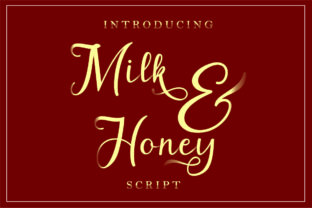
Milk Honey Font: A Beautiful Script for Your Handmade Creations
There’s something special about the right font. It doesn’t just sit on a label or card—it breathes life into your designs, shaping how customers feel when they see your work. Recently, I was working on some candle labels and struggling to find that perfect script typeface. I wanted something soft, yet strong enough to stand out. Something elegant but not too ornate. That’s when I found Milk Honey. The moment I saw it, I knew this was the kind of font that could elevate my shop's branding from simple to stunning.
What Makes Milk Honey Unique?
Milk Honey is more than just a script font; it’s a premium typeface with a gentle, flowing personality. Each letter connects in a way that feels natural and effortless, like a handwritten note you’d give a dear friend. Its charm lies in its balance—there’s enough flourish to make it beautiful without overwhelming the eye. It has a warm and inviting mood, which makes it ideal for products that evoke comfort, love, or personal touch.
I’ve used it on everything from greeting cards to packaging tags, and every time, it adds a layer of sophistication. The curves are smooth, the strokes have a nice contrast, and the overall look feels intentional and refined. For those who design for weddings, boutique items, or seasonal gifts, Milk Honey brings an air of elegance that’s hard to match with other script fonts.
Bringing Milk Honey to Life in My Shop
One of the first places I used Milk Honey was on a set of handmade soy candles. I designed small, minimalist labels with just the product name and a short tagline. The previous font I was using felt too rigid, and I needed something softer to complement the candle’s organic shape and scent. As soon as I switched to Milk Honey, the labels transformed. They looked handcrafted, thoughtful, and just right for the product.
Another project where I fell in love with Milk Honey was designing a set of holiday printable cards. These were digital downloads, so legibility was key. While some script fonts can become difficult to read at smaller sizes, Milk Honey handled it beautifully. I paired it with a clean sans serif font for the body text, and the result was a harmonious blend of modern and classic styles that customers loved.
Realistic Use Cases for Milk Honey
- Candle Labels: Perfect for adding a soft, romantic feel to natural or luxury candles.
- Greeting Cards: Great for titles and decorative wording, especially for birthdays or thank-you notes.
- Wedding Invitations: Ideal for names and calligraphy-style elements that need to feel personal and luxurious.
- Wall Art & Planner Pages: Adds a dreamy, artistic touch to both physical and digital printables.
- Boutique Packaging Tags: Looks elegant on fabric tags, paper tags, and even SVG-cut vinyl stickers.
- Seasonal Craft Designs: Whether it’s a Christmas sign or a springtime mug, Milk Honey brings warmth and charm.
- Shop Branding: Use it in logos, headers, or social media posts to create a cohesive brand identity.
How to Make the Most of Milk Honey in Your Projects
Since I started using Milk Honey, I’ve learned a few tips to help others get the most out of it. First, it shines best in display use—think short phrases, names, and titles rather than long paragraphs. Its style isn't meant for body text but works wonders as a headline or accent font.
When preparing for cutting machines like Cricut or Silhouette, I always test the font at different sizes before committing to a full sticker sheet. Milk Honey handles well at 8pt on small stickers, but I prefer keeping it above 10pt for better clarity and visual appeal. For printed cards, I ensure there’s enough spacing between letters to maintain readability while still preserving the font’s delicate beauty.
Font Pairing Suggestions
Pairing Milk Honey with the right supporting font can really bring your designs together. Here are a few combinations I've tried:
- With a Clean Sans Serif: Think Helvetica Neue or Montserrat for a modern contrast.
- With a Simple Serif: Try Lora or Playfair Display for a more traditional, timeless layout.
- With Another Script Font: If you're going all-out on creativity, pair it with a bolder script like Allura or Great Vibes for added visual interest.
- With a Bold Display Font: A strong sans like Bebas Neue or Raleway can ground the design and highlight important details.
Each pairing gives your product a different tone. I especially enjoy using it with a minimalist sans serif for wedding invitations, as it creates a sense of balance and grace.
Designing with Milk Honey: Tips and Tricks
When I’m working on a new design, I always start by choosing the right style within the Milk Honey family. Depending on the included variations, you might find alternates, ligatures, and swashes that add unique flair. These little touches can help differentiate your products and make them more memorable.
For product mockups, I recommend using high-resolution images and testing how the font looks in real-world lighting. Sometimes what appears clear on screen may not translate perfectly to print. I also check if the font includes multiple weights—this helps me decide whether I want a light, airy look or something bolder for signs and mugs.
Because I sell both physical and digital goods, I always review the file formats included. Milk Honey typically offers OTF, TTF, and WOFF files, which are great for web use and print alike. And for SVG-style designs, the font works beautifully in layered format, making it easy to edit and customize for cutting machines.
It’s also important to consider multilingual support if your shop caters to an international audience. I’ve been lucky so far since most of my customers are local, but it’s something to keep in mind for future growth.
Commercial Use and Licensing
Before selling any product that uses Milk Honey, I always double-check the commercial licensing agreement. Since I use it across various platforms—from Etsy listings to custom printables—I need to be sure I’m within the bounds of the font’s usage rights. Fortunately, many script fonts like Milk Honey are available under licenses that allow commercial use, including reselling physical products and digital downloads.
Make sure to confirm:
- Whether it allows resale of designs (physical or digital).
- If it supports extended characters and ligatures for more creative options.
- If you’re allowed to embed the font in PDFs or use it for signage.
Milk Honey in Action: From Design to Delivery
Let me share a quick example of how I brought Milk Honey into a recent project. I was creating farmhouse-style welcome boards for a fall-themed collection. I chose a muted background with wood grain textures and let Milk Honey take center stage with the main message. To enhance the look, I added a subtle shadow and paired it with a bold black sans serif for the subheadings. The final product had a rustic yet elegant vibe that matched the season perfectly.
For another batch of greeting cards, I used Milk Honey as the main title and then layered it over a watercolor pattern. I made sure the colors didn’t clash and kept the layout simple so the focus stayed on the text. Customers told me the cards felt personal and heartfelt—just the kind of emotional appeal we aim for in our handmade shops.
On tote bags and mugs, I often use Milk Honey for short motivational quotes or product names. The font’s soft curves and open structure make it easy to read and visually appealing even on curved surfaces. I’ve noticed that it draws attention in shop listings and encourages people to pause and take a closer look.
Why Choose Milk Honey for Your Next Project
As a maker who values both function and beauty, I appreciate fonts that don’t sacrifice one for the other. Milk Honey fits that bill perfectly. It’s versatile enough for a wide range of applications but retains a level of sophistication that sets it apart. Whether you’re designing a boutique gift tag, a set of planner pages, or a digital template preview, this font can help your shop stand out.
Its ability to convey warmth and artistry makes it a favorite among creators who focus on lifestyle products, home décor, and personalized items. It doesn’t shout, but it does whisper “quality” and “care,” two things every customer wants to see in a handmade product.
Final Thoughts
In the end, typography is one of the most powerful tools we have as product designers. Fonts like Milk Honey don’t just look pretty—they tell stories, set tones, and build trust. I’ve seen firsthand how it enhances the presentation of my work, and I believe it can do the same for yours. So next time you’re designing a label, invitation, or digital download, consider letting Milk Honey be the voice behind your words.