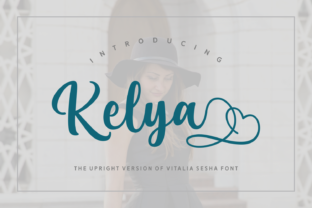
Kelya: A Handwritten Font for Modern Web Design
As a web designer, you understand the power of typography in shaping user experience and brand perception. Choosing the right font can elevate your designs from functional to unforgettable. Kelya, a decorative handwritten typeface by Script Amp, offers a unique blend of elegance and expressiveness that can help you create more engaging and visually compelling digital experiences.
What Makes Kelya Special?
Kelya is not just another script font—it’s a calligraphy-inspired typeface with a distinct personality. Its fluid strokes and natural imperfections give it a human touch, making it ideal for projects where warmth and creativity are key. The font exudes a sense of authenticity, which is especially valuable when designing for personal brands, creative portfolios, or boutique businesses looking to stand out online.
The visual rhythm of Kelya is carefully crafted to maintain legibility while still delivering a decorative flair. This balance is crucial in web design, where beautiful typography must also serve its functional purpose—guiding users through content and enhancing readability.
Where to Use Kelya in Your Designs
- Hero Sections: Kelya shines as a headline font. Its expressive style adds emotional weight to hero titles, helping them capture attention and communicate a brand's voice effectively.
- Landing Pages: For conversion-focused layouts, using Kelya in section headers or taglines can create a memorable first impression. It works especially well for lifestyle brands, wellness services, or any business aiming to build trust through a personal tone.
- Call-to-Action Buttons: When used sparingly, Kelya can make buttons feel more inviting and handcrafted. However, it’s best reserved for larger sizes due to its intricate details.
- Logo Text: If your brand embraces a handmade aesthetic, Kelya could be a strong candidate for logo text. Just ensure it aligns with your overall brand identity and doesn’t compromise scalability across different platforms.
- Decorative Accents: Add subtle interest to banners, blog headers, or product cards with Kelya as an accent font. Its ornate style can draw the eye without overwhelming the layout.
- Portfolio Sites: For designers showcasing their own work, Kelya brings a creative edge to headers and project titles, reinforcing a personal and artistic brand image.
Readability and Visual Hierarchy
While Kelya is undeniably stylish, it’s important to consider how it performs in real-world scenarios. In large display sizes, it reads beautifully and contributes to a strong visual hierarchy. However, avoid using it for body copy or long-form content. Its handwritten nature makes it unsuitable for dense paragraphs, as it can hinder scanning behavior and reduce comprehension speed.
To maximize usability, always pair Kelya with a clean, neutral font for body text. Think modern sans serif fonts like Montserrat or Lato for a minimalist look, or a classic serif such as Merriweather for a more editorial feel. This combination ensures your site remains both stylish and scannable across all devices.
On mobile screens, Kelya should be used at generous font sizes (typically 24px and above) to preserve clarity. Test it on small buttons and navigation menus to ensure it doesn’t become illegible or lose impact. When overlayed on images, consider adding a subtle stroke or drop shadow to enhance contrast and visibility against busy backgrounds.
Brand Tone and User Engagement
Typography plays a major role in conveying brand tone. Kelya leans into a softer, more approachable vibe compared to rigid geometric fonts. It’s perfect for brands that want to feel warm, authentic, and creative—such as coaching websites, art studios, or fashion boutiques.
Its organic style helps build emotional connections with users, encouraging them to stay longer on a page. For example, a course sales page using Kelya for the title and key selling points may appear more personable than one relying solely on standard sans serifs. This can subtly influence user engagement and increase conversion rates.
Real-World Applications of Kelya
Let’s explore a few practical use cases where Kelya excels:
- Creative Portfolio Websites: Showcase your design process and personality with Kelya in headers and project titles. It gives visitors a taste of your unique style and professionalism.
- Boutique Online Stores: Whether it’s a fashion label or a homeware shop, Kelya can add a bespoke feel to product banners and promotional headlines.
- Coaching and Wellness Platforms: Use Kelya to craft welcoming headers and mission statements that reflect empathy and care—key traits for this industry.
- Product Landing Pages: Highlight value propositions and key features with Kelya to make your messaging more engaging and trustworthy.
- Digital Brand Kits: Incorporate Kelya into your brand assets like social media templates or email headers to maintain a consistent and expressive identity.
Font Pairing and Layout Rhythm
Successful font pairing balances contrast and cohesion. Since Kelya is a decorative script, it pairs best with simple, structured fonts that don’t compete for attention. Here are a few effective combinations:
- Kelya + Roboto: This combo works well for SaaS landing pages, combining elegance with efficiency.
- Kelya + Open Sans: Ideal for blogs and content sites, where a soft yet readable base font complements the header’s charm.
- Kelya + Playfair Display: Great for editorial-style sites or luxury branding, where a refined serif supports the script’s sophistication.
When integrating Kelya into your layout, maintain spacing consistency and limit the number of alternates used per line. Too much variation can disrupt the visual flow and make the design feel cluttered. Stick to one or two styles within a single section to keep things harmonious.
Technical Considerations for Web Use
Before implementing Kelya in your projects, check what file formats and weights are included. Webfont support is essential for responsive performance, so ensure the font comes in WOFF or WOFF2 formats. Also verify if it includes Latin character sets and multilingual glyphs if your audience spans multiple regions.
If Kelya has lighter or bolder variants, those can be useful for creating emphasis in UI elements like feature boxes or testimonials. But again, avoid overusing these variations in smaller text sizes where clarity matters most.
Commercial Licensing and Legal Clarity
One thing every professional designer needs to address is licensing. Make sure Kelya is available for commercial use before applying it to client projects, online stores, or branded marketing materials. Some decorative fonts come with restrictions, especially regarding web embedding and redistribution.
Always review the terms provided by Script Amp. If the font is licensed for web use, you’ll typically get access to web-ready files and instructions for embedding. For digital templates or brand assets intended for resale, confirm whether the license allows for derivative works or redistribution under your name.
Dark Mode and Light Backgrounds
Kelya adapts well to both dark and light themes, but some adjustments are necessary to optimize its appearance. On dark backgrounds, increase the contrast between the font and the background—perhaps by using a slightly lighter shade or adding a thin stroke around the letters.
For light backgrounds, especially in minimalistic designs, consider using a darker hue of Kelya to ensure it stands out. Avoid placing it over overly textured or patterned surfaces, as this can reduce legibility and impact its decorative appeal.
Creating a Consistent Digital Identity
Consistency is key in brand-focused web experiences. While Kelya is expressive, it should be used strategically to reinforce your brand’s identity rather than overshadow it. Define a clear typographic system that outlines when and where Kelya appears—limiting it to headers, logos, and short impactful phrases keeps the design grounded and cohesive.
Incorporate Kelya into your design assets like social media posts, newsletter headers, or app icons to maintain brand recognition across platforms. When paired with a secondary font, it becomes part of a unified typographic language that users will begin to associate with your brand.
Final Thoughts
Kelya isn’t just a pretty script font—it’s a tool that can enhance the emotional resonance of your digital work. From website headers to branded content, it brings a sense of authenticity and creativity that modern audiences respond to. By understanding its strengths and limitations, you can use it effectively to guide visual hierarchy, strengthen brand tone, and boost user engagement.
Whether you're working on a portfolio site, launching a new e-commerce platform, or refining your SaaS landing page, Kelya can help you make a lasting impression. Just remember to pair it thoughtfully and apply it selectively to ensure your designs remain both beautiful and usable.